
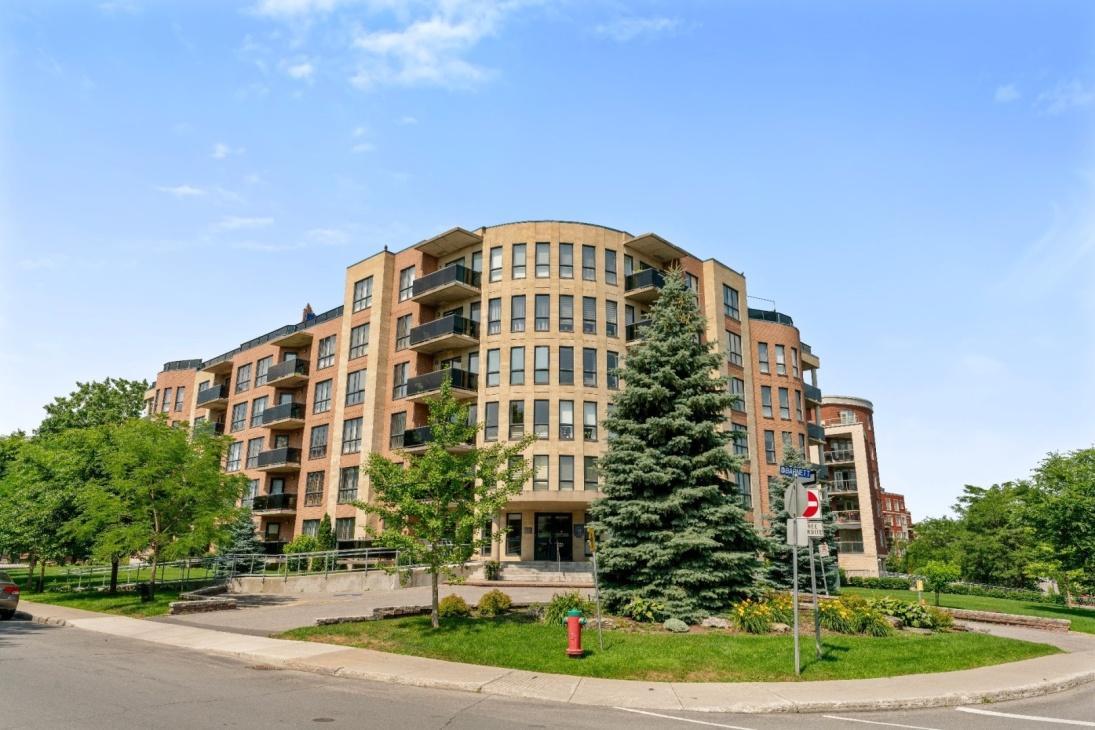
Buying a condo in Montreal means purchasing a unit and joining a co-ownership with rules, finances, and collective decisions. A beautiful kitchen or terrace near the metro cannot offset a weak contingency fund, poorly planned repairs, or restrictions that conflict with your lifestyle plans.
The short answer: assess the building as carefully as the unit. The 12 checks below cover budget, governance, insurance, maintenance, and daily life in Montreal condos and the wider region.
Which documents should you read before buying a condo in Montreal?
The OACIQ notes that the declaration of co-ownership binds every co-owner. It sets out board and meeting powers, voting shares, use rules, and responsibilities. Read the full declaration and its amendments or updates.
Request recent meeting minutes, financial statements, the budget, maintenance log, contingency fund study when available, major contracts, and litigation or claim information.
What are the 12 essential checks?
- Declaration: permitted uses, voting rights, and responsibilities.
- Rules: pets, rentals, renovations, barbecues, parking, and storage.
- Annual budget: underfunded categories and repeated variances.
- Contingency fund: balance compared with anticipated needs.
- Maintenance log: roof, envelope, windows, elevators, and garage.
- Meeting minutes: disputes, infiltration, outages, and deferred projects.
- Special assessments: approved, proposed, and recently paid amounts.
- Insurance: syndicate policy, deductibles, and unit coverage.
- Claims: water damage, fires, and insurance claims.
- Inspection: unit and accessible common elements within the mandate.
- Certificate of location: relevant current state.
- Total cost: mortgage, fees, taxes, insurance, parking, and reserve.
Are low condo fees a good sign?
Not always. Very low fees can reflect a simple, well-managed property, but also deferred maintenance or weak contingency-fund contributions. The monthly amount only makes sense beside the budget and the syndicate's work schedule.
Compare what is included: heating, hot water, building insurance, elevators, garage, landscaping, or snow removal. Two condos in the same area can have very different true carrying costs.
How do you assess a special assessment before buying a condo?
Start with planned work and money already reserved. A roof or garage nearing the end of its cycle without matching funding deserves extra attention. Minutes may reveal a project before an assessment is approved.
Ask who will pay an adopted assessment and how it will be handled in the promise to purchase. A well-documented co-ownership structure is often easier to finance and easier to resell later.
FAQ
Frequently asked questions
Which condos in Montreal are easiest to resell?
Well-managed condos near transit, with strong syndicate reputation and good lighting, are often easier to resell. The building quality matters as much as the unit itself.
Should I buy a condo with a special assessment?
Sometimes yes, if the amount is understood, the project is justified, and the property still holds value. You still need to assess the risk, timing of the work, and real long-term cost.
How do I know if a condo is overpriced for its area?
Compare recent sales in the same area, building quality, condo fees, and included services. Local comparison is more revealing than an isolated asking price.
What should I verify before making an offer on a condo in Montreal?
Review the rules, budget, recent minutes, contingency fund, insurance, special assessments, and condition of the private unit before signing.
Can condo fees rise significantly from one year to the next?
Yes. Condo budgets can change with repairs, inflation, services, and major renovations. This is why the budget and syndicate reports matter so much.
Does Sarah help buyers with condos in Montreal and the region?
Yes. She helps buyers based on neighbourhood, true carrying costs, syndicate risk, and their long-term lifestyle goals from Montreal to the West Island and beyond.
Ready for the next step?
Buying a condo in Montreal requires analysis of the unit, rules, finances, and building. Apply these 12 checks, then contact Sarah to plan your purchase around your neighbourhood and real budget.